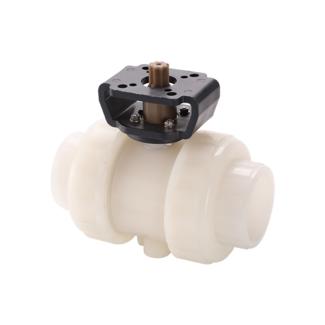
수동 밸브의 일반적인 유형은 무엇입니까?
수동 밸브 산업용 유체 제어 시스템에서 가장 일반적인 유형의 밸브이며 석유, 화학, 전력, 야금, 수처리, 제지, 제약, 식품 및 기타 산업에서 널리 사용됩니다. 수동 밸브는 수동 작동 핸들, 핸드휠, 스프로킷 및 기타 기계 장치를 사용하여 매체의 흐름을 열고 닫거나 조정합니다. 구조가 간단하고 사용하기 쉽고 경제적이며 신뢰성이 높으며 산업용 파이프라인 시스템에 없어서는 안될 구성 요소입니다. 다양한 구조 형태, 작동 원리 및 적용 사례에 따라 수동 밸브는 주로 다음과 같은 일반적인 유형으로 나눌 수 있습니다.
수동 게이트 밸브
수동 게이트 밸브는 쐐기형 또는 평행 게이트를 상하로 움직여 유체의 온-오프 제어를 실현합니다. 개폐 시 게이트와 밸브 시트 사이의 접촉 면적이 커서 완전 개방 또는 완전 폐쇄 경우에 적합하지만 빈번한 개폐 또는 조절에는 적합하지 않습니다. 수동 게이트 밸브는 낮은 유체 저항, 우수한 밀봉 성능, 간단한 구조 및 긴 수명이라는 장점을 가지고 있습니다. 이는 송유관, 수처리, 발전소 시스템 및 밀봉 요구 사항이 높은 기타 작업 조건에 널리 사용됩니다.
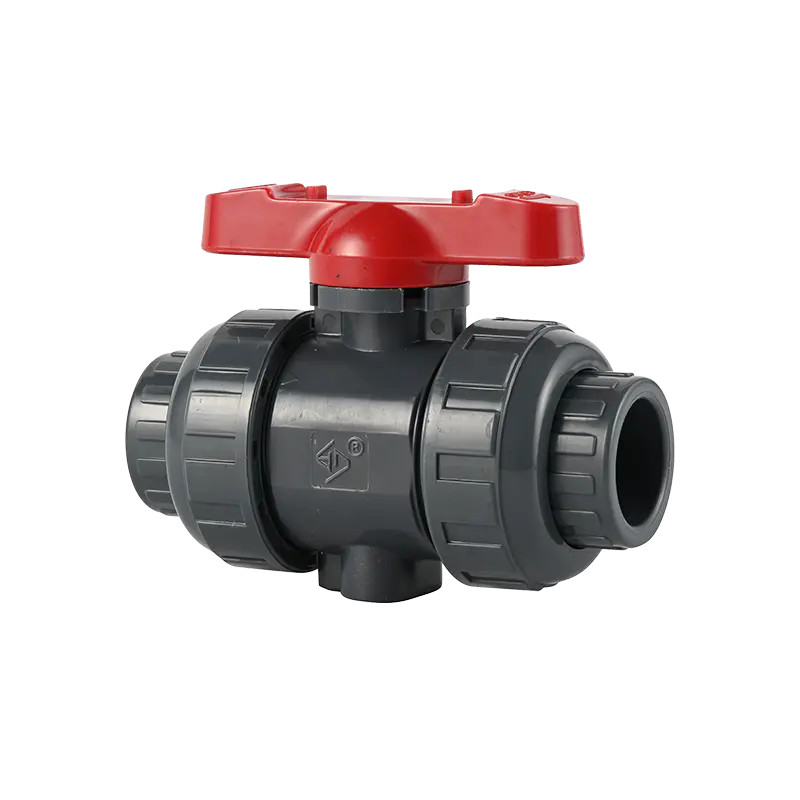
수동 볼 밸브
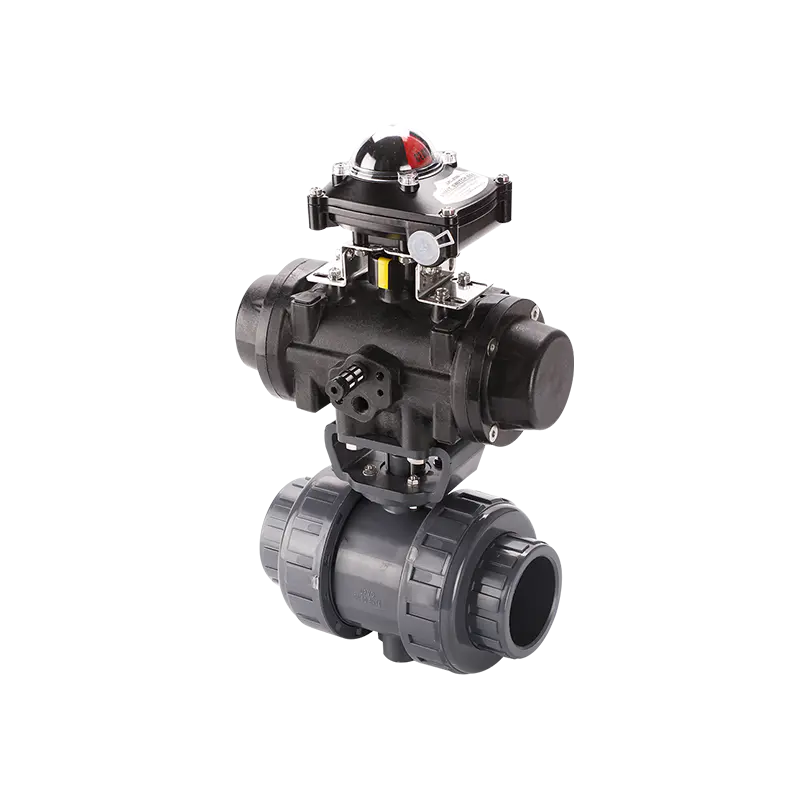
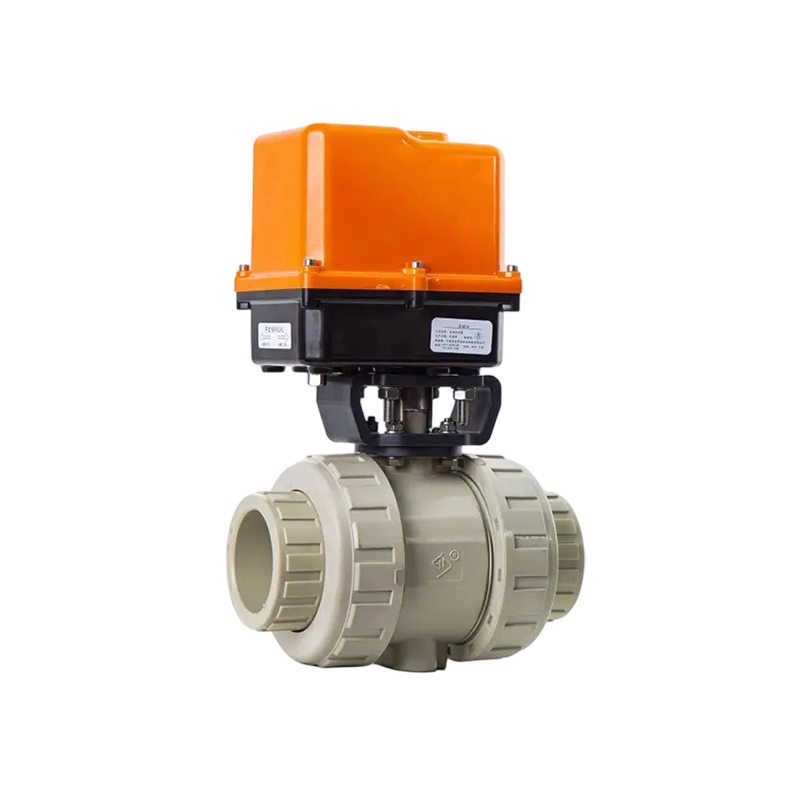
수동 볼 밸브는 볼을 사용하여 밸브 축을 중심으로 90° 회전하여 매체의 흐름을 제어합니다. 볼 밸브는 빠르게 열리고 닫히고 작동 토크가 작으며 밀봉 성능이 우수합니다. 빠른 개폐와 빈번한 작동이 필요한 시스템에 특히 적합합니다. 깨끗한 액체, 가스 및 부식성 매체에 적합합니다. 그것은 석유화학, 천연가스, 제약, 제지 및 기타 산업에서 널리 사용됩니다. 컴팩트한 구조로 특히 제한된 공간에 설치하기에 적합합니다.
수동 스톱 밸브
수동 스톱 밸브는 밸브 시트의 중심선을 따라 밸브 디스크를 수직 방향으로 움직여 유량을 조절하는 밸브입니다. 게이트 밸브와 비교하여 스톱 밸브는 조정 성능이 우수하지만 유체 저항이 상대적으로 큽니다. 스톱 밸브는 보일러 장비, 증기 시스템, 화학 공정 등과 같이 유량이나 압력의 정밀한 제어가 필요한 경우에 적합합니다. 스톱 밸브는 구조가 간단하고 유지 관리가 용이하며 중소 규모 파이프라인에 자주 사용됩니다.
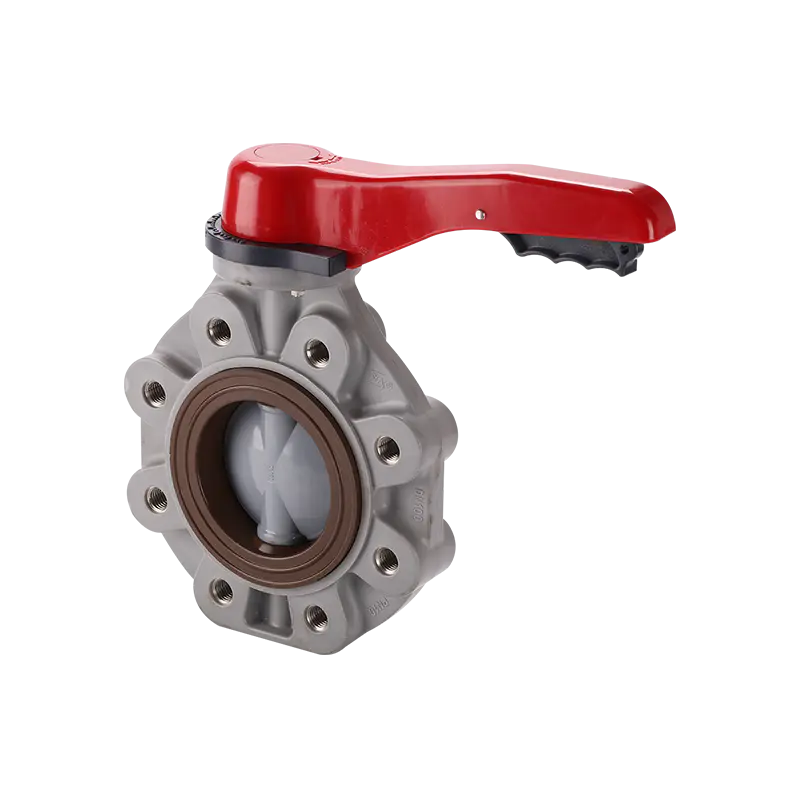
수동 버터플라이 밸브
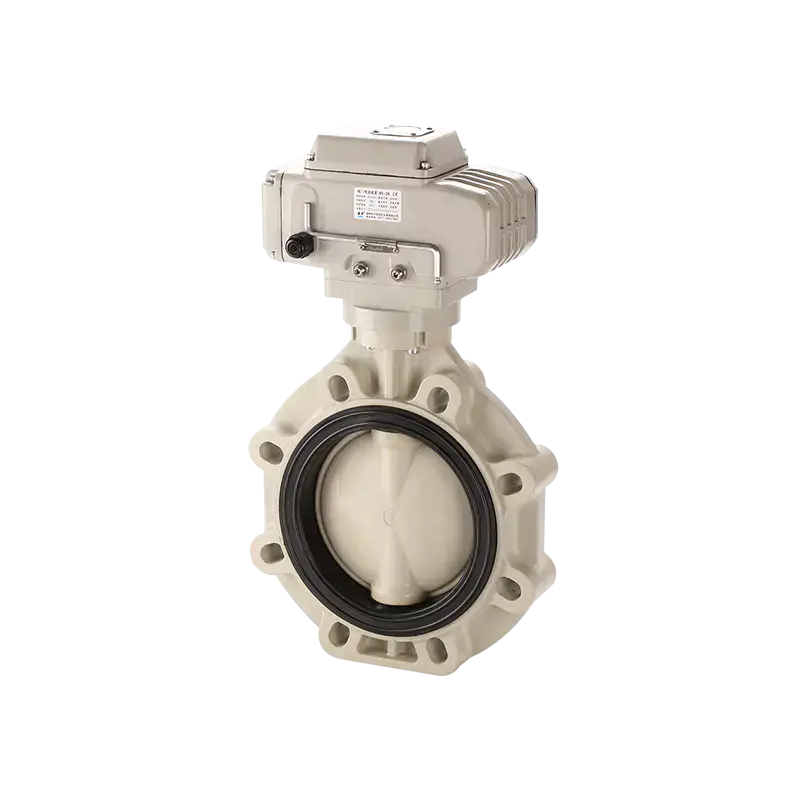
수동 버터플라이 밸브는 디스크 모양의 밸브 플레이트를 사용하여 밸브 축을 중심으로 회전하여 매체 채널을 열고 닫습니다. 구조가 콤팩트하고, 무게가 가볍고, 가격이 저렴하며, 특히 대구경 밸브의 제어에 적합합니다. 이는 수처리, 공조 시스템, 화재 방지 파이프라인, 식품 및 음료 산업에서 일반적으로 사용됩니다. 씰링 성능은 볼 밸브 및 게이트 밸브만큼 좋지는 않지만 공간과 무게에 민감한 경우에는 분명한 이점이 있습니다. 양방향 씰 및 편심 버터플라이 밸브와 같은 개선된 제품은 적용 범위를 효과적으로 늘릴 수 있습니다.
수동 플러그 밸브
수동 플러그 밸브의 개폐 부분은 원추형 또는 원통형 플러그이며 회전에 의해 개폐됩니다. 흐름 채널은 일반적으로 유체 저항이 낮은 직선형입니다. 구조가 간단하여 잦은 개폐에 적합합니다. 그것은 유전 착취, 가스 전송, 도시 파이프 네트워크 및 기타 분야에서 널리 사용됩니다. 플러그 밸브는 마모되기 쉽기 때문에 최신 플러그 밸브는 서비스 수명과 밀봉 성능을 향상시키기 위해 윤활 또는 부드러운 밀봉 구조를 사용하는 경우가 많습니다.
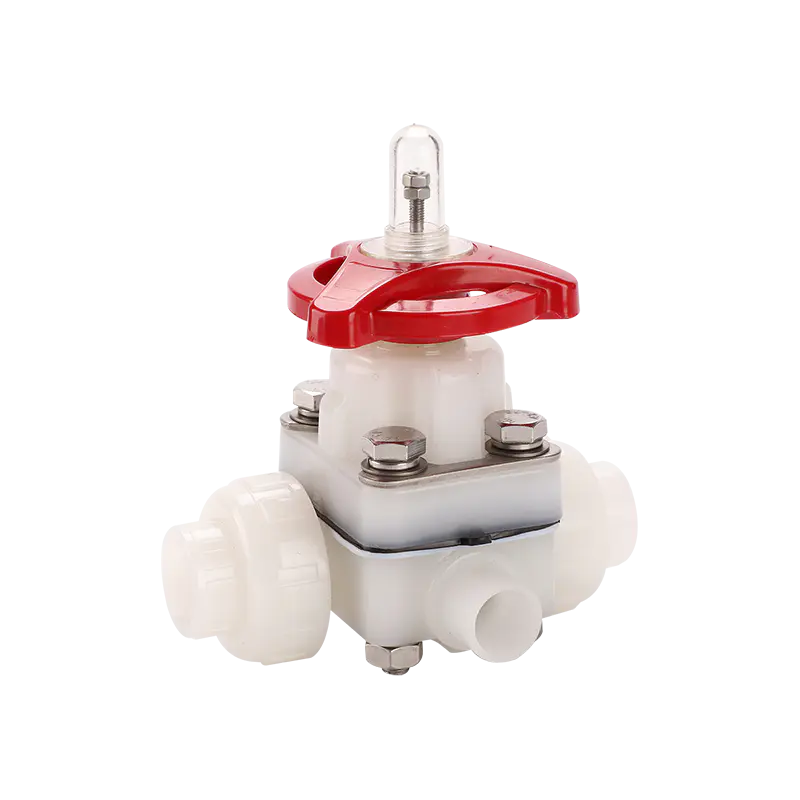
수동 다이어프램 밸브
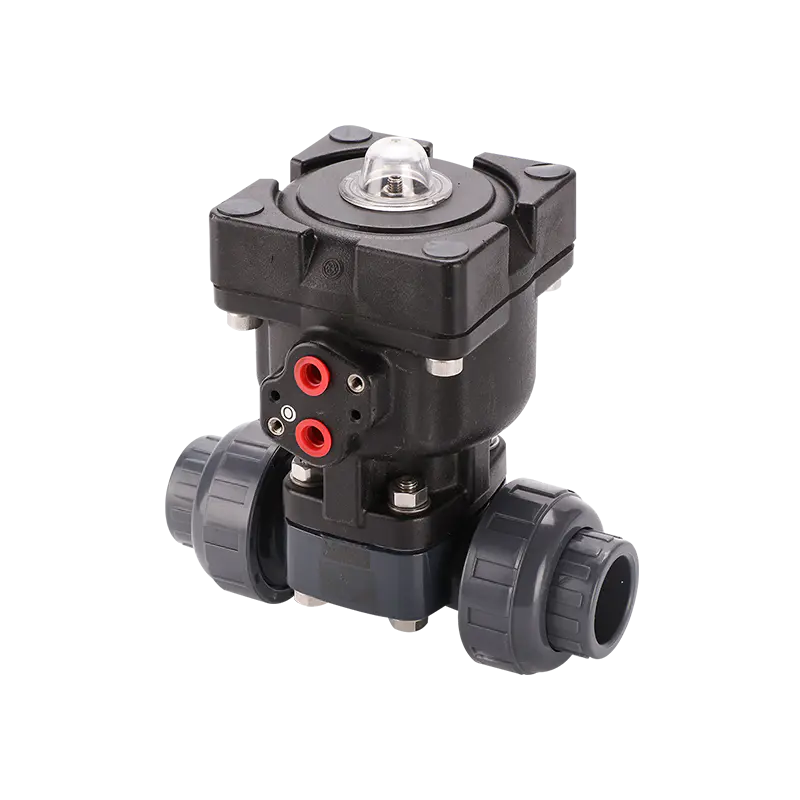
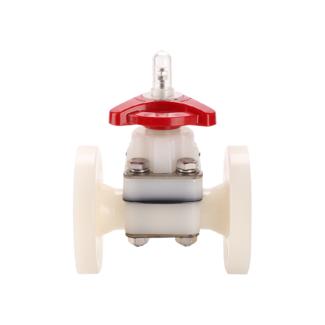
는 수동 다이어프램 밸브 유연한 다이어프램을 개폐 부품으로 사용하며 고체 입자, 부식성 매체 또는 점성 유체가 포함된 파이프라인 시스템을 제어하는 데 적합합니다. 가장 큰 장점은 매체와 접촉하는 금속 부분이 없어 부식 및 오염 문제를 피할 수 있다는 것입니다. 제약, 식품, 생화학 등 고청정 공정 흐름에 적합하며 CIP/SIP 시스템에 널리 사용됩니다. 특수한 구조로 인해 다이어프램의 수리 및 교체가 편리합니다.
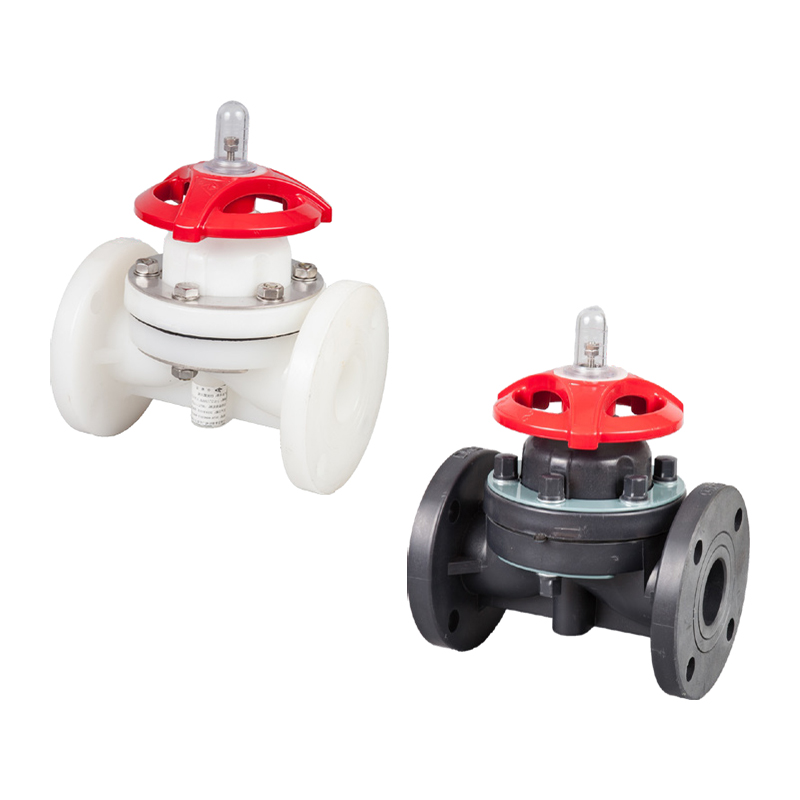 | 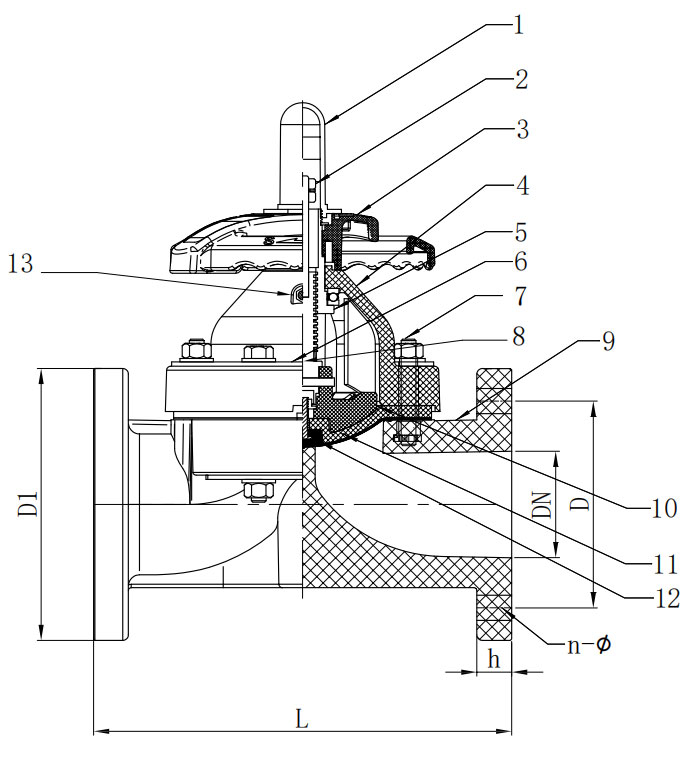 |
| DN | D1(mm) | D(mm) | L(mm ) | h(mm ) | n | ø(mm) |
| HG/DIN | JIS | ANSI | HG/DIN | JIS | ANSI | HG/DIN | JIS | ANSI | | HG/DIN | JIS | ANSI | HG/DIN | JIS | ANSI |
| 15 | 95 | 95 | 95 | 65 | 70 | 60 | 125 | 110 | 110 | 14 | 4 | 4 | 4 | 14 | 15 | 16 |
| 20 | 105 | 100 | 100 | 75 | 75 | 70 | 135 | 120 | 120 | 16 | 4 | 4 | 4 | 14 | 15 | 16 |
| 25 | 115 | 125 | 125 | 85 | 90 | 79 | 145/160 | 130 | 130 | 16 | 4 | 4 | 4 | 14 | 15 | 16 |
| 32 | 135 | 135 | 135 | 100 | 100 | 89 | 160/180 | 160 | 160 | 16 | 4 | 4 | 4 | 18 | 19 | 16 |
| 40 | 145 | 145 | 145 | 110 | 105 | 98 | 180 | 180 | 180 | 16 | 4 | 4 | 4 | 18 | 19 | 16 |
| 50 | 160 | 160 | 160 | 125 | 120 | 121 | 210/230 | 210 | 210 | 18 | 4 | 4 | 4 | 18 | 19 | 19 |
| 65 | 180 | 180 | 180 | 145 | 140 | 140 | 250 | 250 | 250 | 22 | 4 | 4 | 4 | 18 | 19 | 19 |
| 80 | 195 | 195 | 195 | 160 | 150 | 152 | 300 | 280 | 280 | 25 | 8 | 8 | 4* | 18 | 19 | 19 |
| 100 | 215 | 220 | 220 | 180 | 175 | 190 | 350 | 340 | 340 | 25 | 8 | 8 | 8 | 18 | 19 | 19 |
| 125 | 255 | 255 | 255 | 210 | 210 | 216 | 405 | 405 | 405 | 30 | 8 | 8 | 8 | 18 | 19 | 22 |
| 150 | 280 | 280 | 280 | 240 | 240 | 241 | 460 | 460/480 | 460/480 | 30 | 8 | 8 | 8 | 22 | 23 | 22 |
| 200 | 340 | 340 | 340 | 295 | 290 | 298 | 575 | 575 | 575 | 38 | 8 | 12* | 8 | 22 | 23 | 22 |
| 250 | 395 | 395 | 395 | 350 | 355 | 362 | 685 | 685 | 685 | 38 | 12 | 12 | 12 | 22 | 25 | 26 |
| 300 | 480 | 480 | 480 | 400 | 400 | 432 | 790 | 790 | 790 | 40 | 12 | 16* | 12 | 22 | 25 | 26 |
수동 니들 밸브
는 needle valve uses a slender conical valve core to accurately control small flows. Mainly used in high-precision fluid regulation, such as instrumentation systems, sampling systems, hydraulic or pneumatic control circuits. Compact structure, high regulation accuracy, widely used in scientific research, laboratories and high-pressure gas devices.
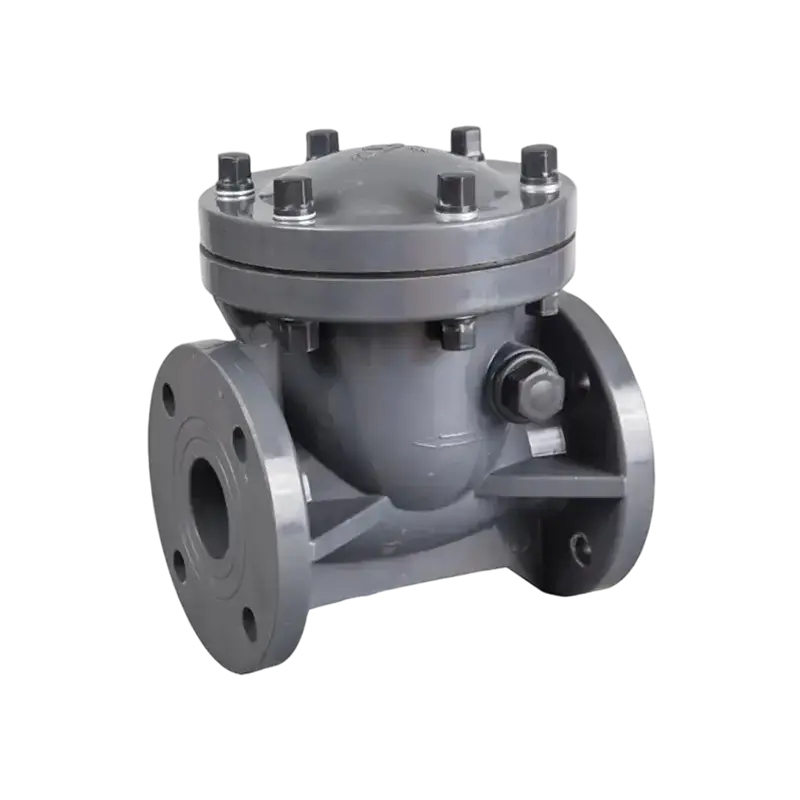
수동 체크 밸브
체크 밸브는 일반적으로 자동으로 작동하지만 일부 시스템에서는 수동 기능이 있는 체크 밸브를 사용합니다. 매체 역류를 방지하고 특수한 상황에서 수동 개입을 허용하는 데 사용됩니다. 고압 보일러, 펌핑 스테이션, 화학 물질 저장 탱크 등과 같은 안전성이 높은 경우에 일반적으로 사용됩니다.
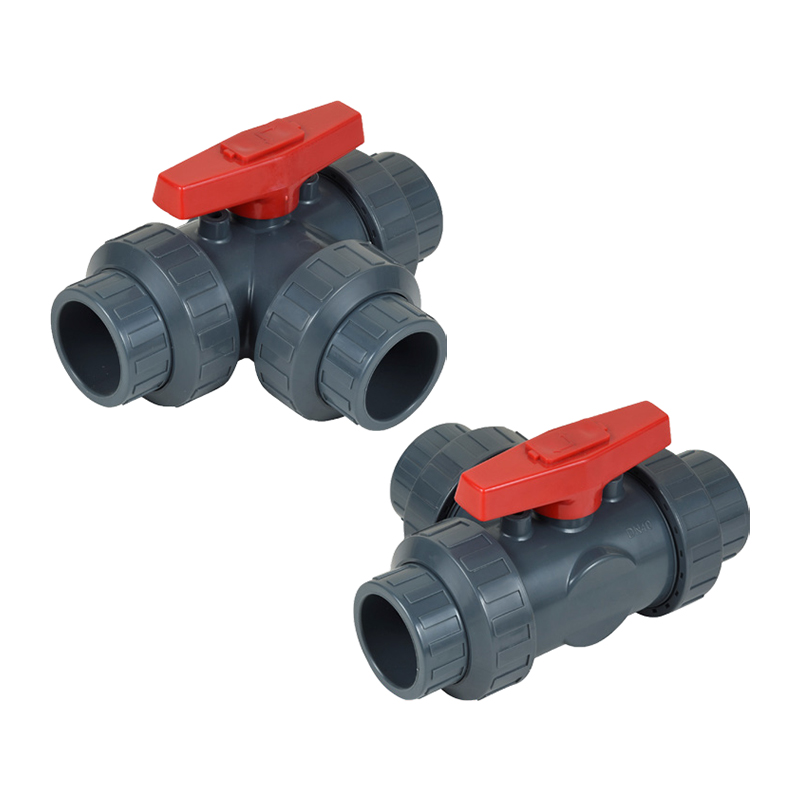
수동 삼방향 밸브
3방향 수동 밸브는 "T형"과 "L형" 구조로 나눌 수 있으며 유체 방향을 변경하거나 다채널 전환을 구현하는 데 적합합니다. 주로 혼합, 전환 또는 우회 시스템에 사용되며 HVAC, 식품 가공 및 파이프라인 전환에 널리 사용됩니다. 유연한 작동, 다양한 구조를 볼 밸브, 플러그 밸브 및 기타 형태의 디자인과 결합할 수 있습니다.
수동 볼 밸브와 수동 게이트 밸브의 구조와 밀봉 방식의 차이점은 무엇입니까?
수동 볼 밸브와 수동 게이트 밸브는 석유, 화학, 야금, 전력 및 건설과 같은 산업 시스템에서 널리 사용되는 두 가지 일반적인 파이프라인 차단 밸브입니다. 기능적으로는 둘 다 유체를 개폐하고 통로를 차단하는 역할을 하지만 구조 설계, 밀봉 원리, 성능 및 적용 시나리오에는 본질적인 차이가 있습니다.
구조적 설계 차이점
는 structural core of the manual ball valve is a hollow sphere, which controls the on and off of the medium by rotating the sphere. The sphere is usually a solid metal ball with a hole, which is axially connected to the valve stem. The ball valve is usually a quarter-turn structure, and it only needs to rotate 90° to switch from full open to full closed. The valve body structure is mostly two-piece or three-piece, which is convenient for maintenance and replacement of internal parts. The surface of the sphere is precisely machined and cooperates with the sealing seat to form a sealing pair. The overall structure is compact and light, which is easy to install in places with limited space.
는 main structural components of the manual gate valve are wedge-shaped or parallel gates, which are opened and closed by vertically lifting the gate up and down. The gate rises and falls along the spiral motion of the valve stem, usually a multi-turn structure, and the opening and closing process is relatively slow. The gate valve body is generally an integral casting with a deep internal cavity and large structural dimensions. Since the gate needs to be fully raised to the top of the valve cavity to fully open, the manual gate valve has higher requirements for space and operating torque than the ball valve.
밀봉방식의 차이
는 manual ball valve adopts a face sealing structure. The sealing pair is formed by the contact between the surface of the ball and the sealing seat, which is usually made of polytetrafluoroethylene (PTFE), reinforced polymer, metal or composite material. The ball always keeps in contact with the sealing surface during rotation, and effective sealing is achieved through the floating ball or fixed ball design. The ball valve has excellent sealing performance and extremely low leakage rate, which is particularly suitable for working conditions with high requirements for zero leakage. Some high-end ball valves also have two-way sealing and fireproof and anti-static structures to improve system safety.
는 manual gate valve adopts a wire sealing structure. The sealing pair is formed by the edges on both sides of the gate and the sealing surface of the valve seat. The sealing surface is mostly made of metal materials such as alloy steel, hard alloy, and Stellite. The sealing depends on the cooperation of the medium pressure and the wedge tightening force of the gate, and the sealing effect is not as good as the ball valve under low pressure conditions. Due to the strong friction between the gate and the valve seat during the opening and closing process, it is easy to wear, and the processing and assembly accuracy requirements are high. Some gate valves use elastic gates or pressure self-sealing structures to enhance sealing, but their overall sealing performance is still slightly inferior to that of ball valves.
오프닝과 클로징 성능의 차이
는 manual ball valve opens and closes quickly, has low torque, and is easy to operate. Its rotation angle is only 90°, which is suitable for systems that are frequently operated or require rapid medium cutoff. There is no friction during the opening and closing process, and the action is stable, which is particularly suitable for occasions that require emergency shutdown.
는 manual gate valve opens and closes slowly, and the handwheel needs to be rotated several times to complete the entire operation. Due to the long up and down movement of the gate, coupled with the mechanical loss of the valve stem thread transmission mechanism, the operation process is time-consuming and laborious. It is not suitable for frequent opening and closing, but has reliable long-term sealing capabilities in large-diameter, low-frequency pipeline systems.
적용 범위의 차이
는 manual ball valve is suitable for pipeline systems that require fast opening and closing, good sealing, and low flow resistance. It is particularly suitable for industries with strict leakage control such as natural gas, refined oil, fine chemicals, pharmaceuticals, and water treatment. It has a compact structure and flexible installation, and is suitable for equipment or branch pipelines with limited space.
수동 게이트 밸브는 직경이 크고 작동 빈도가 낮으며 압력 변화가 작은 트렁크 파이프라인에 적합합니다. 수처리 플랜트, 난방, 전기, 야금 및 기타 시스템의 메인 밸브 위치에 널리 사용되며 특히 차단 장치로 사용하기에 적합합니다. 유동 저항이 극히 낮고 완전 개방 상태에서 압력 강하가 거의 없어 장거리 전송 시스템에 더 적합합니다.
유량 및 압력 손실
는 channel inside the ball of the manual ball valve is often designed with a full-bore design. The medium has almost no flow resistance when passing through the valve, and no obvious pressure drop is generated. It has little impact on system efficiency and is suitable for process flows requiring efficient transmission.
수동 게이트 밸브도 완전히 열린 상태에서는 흐름 저항이 작지만 부분적으로 또는 불완전하게 열리면 난류 및 진동이 발생하기 쉽습니다. 볼 밸브와 비교할 때 국지적 구조로 인해 중간 정도의 부식이 발생할 가능성이 더 높으며 이는 결국 밀봉 표면의 수명에 영향을 미칩니다.
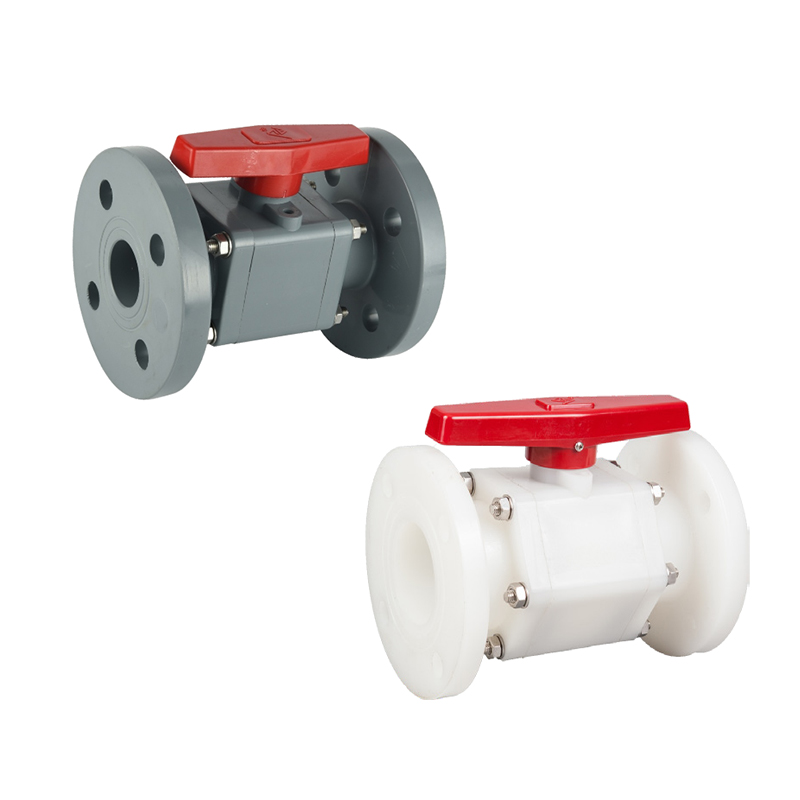 |  |
식품 또는 제약 산업용 수동 밸브 선택 방법
식품 및 제약 산업에서 수동 밸브는 기본적인 열기, 닫기, 조절 및 절단 기능을 수행할 뿐만 아니라 제품 안전, 청결 및 생산 규정 준수와도 관련됩니다. 이러한 산업은 위생, 재료 및 오염 방지 기능에 대한 요구 사항이 매우 높기 때문에 선택 시 관련 산업 표준을 엄격히 준수해야 하며 매체 특성, 프로세스 흐름, 세척 및 소독 방법, 밸브 구조 재료와 같은 요소를 충분히 고려해야 합니다.
위생 기준을 충족하는 구조 설계
는 food and pharmaceutical industries have extremely high requirements for the cleanliness of equipment surfaces. Manual valves must have characteristics such as no dead angles, no retention, and easy cleaning. When selecting, valve products that meet hygienic certifications such as EHEDG (European Hygienic Engineering Design Group), 3-A (American Dairy Hygiene Association Standards), and FDA (American Food and Drug Administration) should be given priority. The valve cavity should adopt a full-bore design to ensure that the medium flows smoothly without retention; the internal surface should be electrolytically polished, and the roughness should be controlled within Ra ≤ 0.4 μm to avoid bacterial adhesion.
밸브 본체 재질 및 씰링 재질 선택
재료 선택은 밸브의 내식성, 온도 저항 및 생체 적합성에 직접적인 영향을 미칩니다. 식품 및 제약 업계에서는 내식성과 용접성이 우수하고 CIP(Clean-in-Place) 및 SIP(Sterilize-in-Place) 시스템에서 일반적으로 사용되는 산, 알칼리 및 고온 증기 환경에 견딜 수 있는 316L 스테인레스 스틸을 밸브 몸체의 주요 재료로 사용하도록 권장합니다. 씰은 매체가 오염되지 않도록 FDA 인증 식품 등급 폴리테트라플루오로에틸렌(PTFE), EPDM(에틸렌 프로필렌 디엔 모노머 고무) 또는 FKM(불소 고무) 및 내화학성과 내열성이 우수한 기타 재료로 만들어야 합니다.
CIP/SIP 세척 및 살균이 용이함
식품 및 의약품 생산 과정에서 배관 시스템은 정기적으로 현장 세척(CIP) 및 증기 멸균(SIP)이 필요합니다. 밸브 구조는 이러한 유형의 청소와 호환되어야 합니다. 선택할 때 밸브 구멍에 자동 비우기 기능이 있는지, 잔류물 없는 세척이 가능한지, 씰의 내열성(≥150°C)이 있는지, 밸브가 멸균 주기 시간(일반적으로 30분 이상 필요)을 지원하는지 여부를 고려하십시오. 3방향 밸브, 다이어프램 밸브 및 무균 샘플링 밸브의 구조가 최적화되어 이러한 프로세스에 더 적합합니다.
다이어프램 밸브, 버터플라이 밸브 등 선호되는 위생 밸브 유형
다이어프램 밸브는 매체가 밸브 본체의 내부 구멍과 다이어프램 재료에만 접촉하기 때문에 청결도 요구 사항이 높은 장소에서 널리 사용됩니다. 구조가 간단하고 밸브 캐비티에 유지 영역이 없으므로 특히 고점도 고체 입자 또는 부식성 매체를 운반하는 데 적합합니다. 버터플라이 밸브는 구조가 콤팩트하고 무게가 가벼우며 개폐가 빠른 특성을 갖고 있습니다. 특히 충전, 여과 및 운송을 위해 저압 또는 고유량 상황에서 자주 사용됩니다. 위생 버터플라이 밸브에는 일반적으로 현장에서 분해, 청소 및 유지 관리가 쉽고 GMP 사양을 충족하는 퀵 릴리스 클램프 연결이 장착되어 있습니다.
연결 방법은 위생 요구 사항을 충족해야 합니다.
는 connection method of manual valves is directly related to sanitary sealing performance. Sanitary connection methods such as clamp type, welding type or flange type should be preferred. Clamp type connection can be quickly disassembled and assembled, suitable for equipment that is frequently cleaned; welding type connection has good structural strength and sealing, suitable for permanent assembly occasions; flange type connection is mostly used in large systems, but sanitary flange sealing structure must be selected. Regardless of the method, the sealing surface must maintain processing accuracy and surface finish to avoid microbial growth.
혼합 방지 및 배치 제어
는 multi-variety and small-batch production processes in the food and pharmaceutical industries require higher reliability in valve switching and sealing. Structures such as double-seat valves or anti-mixing valves should be selected to prevent cross-contamination between batches. The valve should have a metal limit positioning function to prevent residue or mixing due to misoperation; at the same time, it should support process parameter recording to meet GMP traceability requirements.
GMP 및 검증 요구 사항 준수
의약품 생산을 위한 우수제조관리기준(GMP)의 요구사항에 따라 장비는 우수한 검증성과 일관성을 갖추어야 합니다. 선택한 수동 밸브에는 재료 인증, 밀봉 재료 테스트 보고서, 압력 테스트 보고서, 표면 거칠기 인증, 설치 도면 등을 포함한 검증 문서가 있어야 합니다. 동시에 제조업체는 품질 관리 시스템 검토를 충족하기 위해 IQ(설치 확인)/OQ(작동 확인)/PQ(성능 확인) 문서 지원을 제공해야 합니다.
내식성 및 사용 수명 평가
유제품, 주스, 간장, 알코올과 같은 식품 산업의 일반적인 매체에는 특정 산도와 알칼리도가 있습니다. 제약 산업에서 사용되는 에탄올, 과산화수소, 산성 소독제 등은 부식성이 매우 높습니다. 밸브 구조는 사용 수명을 보장하면서 세척제 및 화학 시약에 의한 장기적인 침식을 견딜 수 있어야 합니다. 추천입니다